The Role of Household in Successful Addiction Treatment Throughout Texas
Families do not create addiction, and they can not singlehandedly treat it. Yet in Texas, where kinship ties typically run deep and neighborhoods still measure themselves by exactly how they show up for each and every various other, family members can be definitive partners in recovery. When family members get excellent guidance, discover new skills, and look after themselves, they transform the ecology around the person in therapy. The home comes to be much less responsive, much more constant, and much better aligned with the effort of healing. That shift boosts the probabilities of sticking to treatment, navigating problems, and building a life worth protecting.
Why family members involvement relocates the needle
Treatment functions when it gets to into every day life, not simply the therapy space. Families, extensively defined to include spouses, moms and dads, siblings, grandparents, close friends, and often church participants or godparents, shape life in concrete ways. They help handle appointments, co‑pilot drugs, reroute time and money, influence social circles, and mirror back what they see. Also a tiny modification in your home, such as removing alcohol from the kitchen or agreeing on exactly how to manage cash, can steady early recovery.
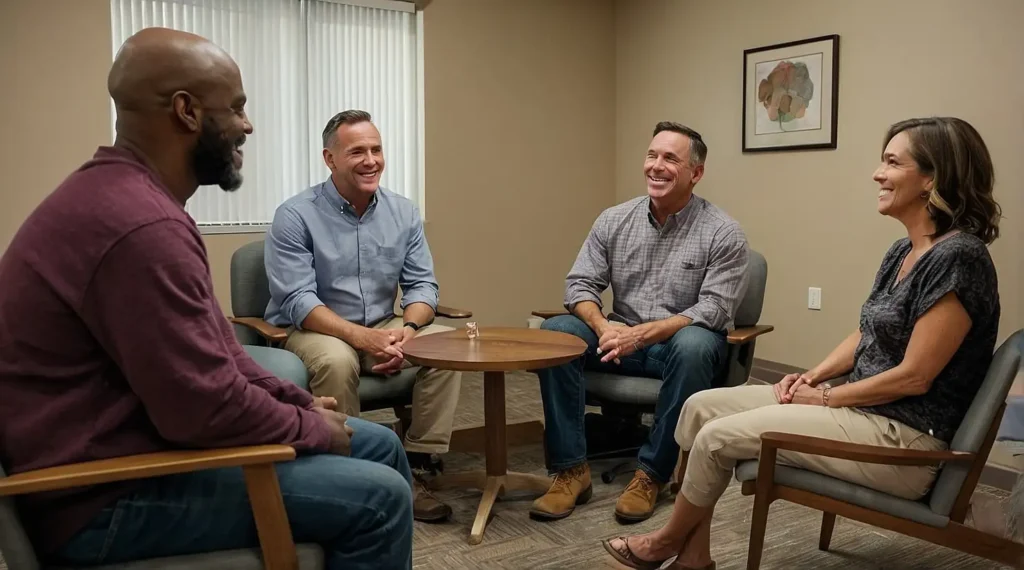
In programs throughout Texas, I have viewed 3 things make the greatest difference. First, a person in the family takes obligation for discovering brand-new tools as opposed to waiting for the person in treatment to do all the transforming. Second, the family and the therapy group technique transparent interaction, with consent, so shocks are uncommon and strategies do not break down at the very first grab. Third, assumptions are calibrated: regression danger is taken seriously, yet relapse is not dealt with as a moral failure. Households that can stabilize accountability with concern have a tendency to see better long‑term progress.
How households affect outcomes, in practice
Consider a common outpatient timetable in San Antonio or Houston: 3 nights a week of group treatment, an once a week specific session, and random pee medication screens. That framework is delicate if the person goes home to a chaotic atmosphere. When relative find out to set foreseeable routines in the house, minimize arguing, and link opportunities to health objectives, attendance increases and cravings convenience. Small agreements help. No alcohol in shared rooms. A time limit that appreciates very early sobriety. Experiences to night teams when driving is not yet secure. Backups for day care. Predictable check‑ins before and after therapy sessions. These audio mundane, however they typically determine whether a person finishes eight weeks of shows or wanders away after two.
This is not regarding security. It has to do with removing obstacles, preventing avoidable anxiety, and aligning support with the treatment plan. Succeeded, household involvement likewise secures the family members itself from fatigue and animosity. When parents or companions quit attempting to expect every dilemma and rather follow a clear playbook, their very own rest improves, high blood pressure drops, and they restore a sense of control.
The first call, permission, and honest boundaries
Family involvement begins the minute somebody calls a facility or a crisis line. Several programs in Texas, consisting of those in Bexar, Harris, and Travis counties, get phone calls from moms and dads and partners before the person prepares to enlist. Excellent programs pay attention, give instant assistance to the customer, and discuss what can and can not be shared without authorization. They additionally train the customer on how to invite the individual right into care without reproaching or catching them.

Privacy laws are not obstacles to family members job, they are guardrails. With a signed launch of details, teams can share schedules, presence, and safety problems, and they can get monitorings from family members that assist discover relapse early. Without permission, teams can still provide education to family members concerning addiction, neighborhood sources, and self‑care. The most effective clinicians deal with permission as a progressing conversation, revisiting it during stabilization and after crises. As count on grows, the private often permits even more family involvement, not less.
Enabling versus reliable help
Every household duke it outs a version of this. Where is the line between assistance and allowing? In my experience, it comes down to work, not judgment. Ask whether a specific activity moves the individual more detailed to healthy and balanced freedom or helps the ailment keep its grip.
A parent in Austin when defined paying basic phone service as making it possible for. We reframed it: could the phone be limited to important phone calls, with a low‑cost strategy, to collaborate work and treatment? That small cost made it easier to provide proof of participation to probation and hold a job. On the various other hand, covering duplicated rental fee deficiencies with no problems reinforced a pattern of utilizing and releasing, and it wore down the moms and dad monetarily. We agreed that future rent aid would certainly be contingent on recorded session participation, a written budget, and medicine screens validated by the clinic. The household changed from reflex rescue to conditional support linked to recovery behaviors.
Two guidelines overview these decisions. First, do not function harder than the individual in treatment. Second, do not safeguard them from the all-natural, lawful, or economic consequences of their actions, unless a life remains in immediate threat. Following these regulations takes practice, and often a therapist in family members sessions must referee strong feelings while the family try outs brand-new boundaries.
What solid Texas programs educate families
The content of family members work matters as much as the intent. Throughout high‑quality addiction treatment in Texas, I search for five aspects in family members shows. One, psychoeducation regarding compound usage conditions that is concrete and shame‑free. Two, interaction skills training, with duty play that really feels uncomfortably actual. Three, boundary setting linked to specific habits, not unclear guarantees. 4, relapse avoidance preparation that includes overdose education and learning and naloxone training for households impacted by opioids. 5, pathways for the family members's own support, including Al‑Anon, Nar‑Anon, or secular teams, and referrals for individual therapy when injury or anxiety is present.
Several evidence‑informed strategies fit these objectives. CRAFT coaching aids families welcome a loved one into care by strengthening healthy options rather than saying concerning utilizing. Family members Behavior Therapy provides step-by-step plans for backup administration in the house. For teenagers, multidimensional family treatment can line up moms and dads, schools, and probation policemans so the teenager is not whipsawed by blended assumptions. None of these versions is a magic method. They function when clinics customize them to actual families, which may include relatives, grandparents, or a church senior who is main to decision‑making.
Inside San Antonio: society, military life, and functional help
Addiction treatment in San Antonio has particular rhythms. Military service forms the city, numerous households are navigating discretion with the Division of Defense or the VA, return from implementation, and the preconception of looking for help within the ranks. Clinics that offer Joint Base San Antonio families do well when they collaborate with military case supervisors, make clear how Command notification rules differ for active duty versus dependents, and strategy around task hours. Spouses usually carry hefty lots, juggling childcare and clinical visits. Providing night household groups and youngster watch during sessions can make or damage attendance.
San Antonio is likewise a proudly multilingual city. Family programs that supply Spanish and English materials by default, not as an afterthought, see more powerful interaction. That includes translating security strategies, going over recuperation language that values the household's ideas, and being truthful concerning immigration concerns without turning sessions into legal advice. In method, this can be as basic as an intake manuscript that asks, That else helps choose for your house, and what language feels most comfy for family members meetings?
Faith areas play a genuine function here. Priests, deacons, young people ministers, and lay leaders frequently serve as initial -responders prior to specialists go into the image. When therapy teams invite belief leaders to assigned family evenings, with the patient's permission, those leaders discover to encourage treatment conformity while still supplying spiritual care. Nobody needs to act that petition will certainly change buprenorphine or treatment. They can sit side by side.
Rural areas, border communities, and the challenge of distance
Texas geography makes complex family involvement. A moms and dad in Uvalde or a spouse in the Panhandle might be three hours from the local intensive outpatient program. Boundary towns add cross‑jurisdictional anxiety, language obstacles, and seasonal job routines. Telehealth household sessions aid, however they are insufficient. Programs that do well over distance do four points continually. They consolidate appointments to lower trips, schedule family sessions during the very same block as private treatment, teach families exactly how to make use of basic telehealth tools without pity, and established quick‑response channels for problems between sessions, as an example a registered nurse line for medicine questions or same‑day mentoring if a safety plan may be needed.
Transportation coupons, gas cards, or sychronisation with county indigent programs are not deluxes. They are the distinction between a grandparent going to the important 3rd household session or staying at home because the container is vacant. In numerous counties, probation departments will certainly permit online check‑ins if the therapy program confirms engagement, which saves households both time and face.
Courts, CPS, and straightforward coordination
Many Texas families enter treatment with court orders or Kid Protective Solutions participation. Households really feel watched and evaluated. Therapy suppliers in some cases really feel caught between. The way with is clear agreements and foreseeable paperwork. I encourage family members to authorize launches that permit the facility to send out participation, medication display results, and therapy recaps to probation police officers or CPS caseworkers. That simplifies expectations and lowers shock hearings. It likewise indicates the family members is not the sole carrier for progress, which lowers dispute at home.
There is a human element right here. I keep in mind a grandmother in Laredo that came to be the kinship caretaker when CPS interfered. She was tough, concerned, and tired. The clinic offered a month-to-month instance conference that included her, the CPS employee, the specialist, and the mommy's lawyer. Meetings were not comfy. However they chose much faster and had less misunderstandings. The mommy completed shows, relapsed when, re‑engaged, and maintained wardship under supervision. The grandma later on said the very best part was not needing to presume that understood what.
Medications for addiction, and household myths
Medications for opioid use condition, consisting of buprenorphine and methadone, save lives by reducing overdose threat and stabilizing mind chemistry. Extended‑release naltrexone can help with alcohol and opioids. Households sometimes resist medicines due to the fact that they fear alternative or have listened to half‑true tales regarding abuse. Clear education and learning assists. The dose is tailored to the person, desires decline, and people regain the data transfer to work and moms and dad. Member of the family can sustain adherence by driving to the facility when required, preparing for pharmacy refills before weekend breaks or holidays, and celebrating turning points like 3 months of regular dosing.
Medications are not a free pass. They function best when coupled with therapy, structure, and recovery tasks. Yet I have seen parents change their position when they enjoy a kid on buprenorphine show up to work, pay his phone expense, and play with his youngsters rather than chasing tablets. Their alleviation is palpable. Households should have that relief.
Paying for treatment and making the system benefit you
Insurance insurance coverage and public programs in Texas are a patchwork. Industrial strategies differ commonly in network gain access to. Medicaid covers lots of solutions for qualified members, yet not all facilities are registered. County‑funded choices exist, typically with waiting lists. Households can take numerous actions to obtain farther, quicker. Call the number on the insurance policy card and ask an advantages rep to email a listing of in‑network addiction treatment companies, not just behavior health generally. Ask for prior consent demands in creating. If waiting lists are long, demand acting solutions such as individual teletherapy or medication evaluation while waiting for a greater degree of care. For without insurance clients, ask regional programs about gliding scales and county contracts, and examine whether state‑funded slots prioritize pregnant individuals or veterans.
A commonly overlooked action is to involve the company. Several Texas employers have Staff member Help Programs that cover short‑term therapy and navigation help. HR can often collaborate leave under FMLA or short‑term handicap. Families are commonly the ones that make these telephone calls when the individual in therapy really feels bewildered by paperwork.
Planning for regression, overdose, and re‑entry
Hope without a plan is brittle. Relapse preparation need to be routine, not an indicator of pessimism. Households can assist compose an easy playbook that covers warning signs, the initial 3 calls to make, and what steps to take after a slip. The plan needs to include who can take the children for an evening, that can safeguard medicines or cash money if required, and where the nearest pharmacy stocking naloxone lies. In several Texas areas, pharmacies can dispense naloxone without a specific prescription. Some cops departments and community organizations also supply totally free sets and brief training. Maintain kits in places where life occurs, such as the kitchen area and the handwear cover box.
After a gap, family members ought to anticipate the therapy strategy to adjust. That might indicate more frequent treatment, various medications, or a brief move to a greater degree of treatment. It is not failing. It is comments. The household's voice can help the group understand what pressures or triggers remained in play.
A compact family members readiness checklist
- Know the treatment timetable and how to speak to the group in a situation, with approval in place.
- Remove noticeable triggers in your home and settle on a couple of clear borders you can actually enforce.
- Learn basic communication abilities: quick, certain demands and nonreactive responses.
- Get naloxone, learn exactly how to use it, and put it where you will bear in mind it.
- Join your very own support group or therapy so the home does not focus on one person's illness.
How Texas programs can increase the bar on family work
- Offer multilingual family groups as a default in cities like San Antonio, El Paso, and the Valley.
- Align household sessions with work hours, and give child care throughout evening teams when possible.
- Train personnel in CRAFT and backup management so families find out sensible tools, not platitudes.
- Establish rapid‑response channels for family members issues to prevent dilemmas from rising between visits.
- Formalize collaborations with faith neighborhoods, army instance supervisors, and area courts to reduce combined messages.
Two vignettes from the field
A father in Northeast San Antonio called a facility three times prior to his child agreed to meet a therapist. The therapist trained the dad utilizing CRAFT principles. He moved from late‑night talks to relax, particular invitations tied to what mattered to his child: keeping a construction job and repaying a vehicle. He offered trips to early consultations, established a curfew, and stopped covering overdraft fees. The kid still used for a few weeks, then agreed to begin buprenorphine after missing 2 days of work because of withdrawal. The daddy attended family group on Tuesdays, found out to hold his ground without inflammatory language, and mounted a safe for money and medications at home. Eight months later, the kid had actually not used opioids, had one alcohol slip he reported the following day, and was still in weekly treatment. The dad claimed the hardest part was allowing natural effects land rather than suggesting. The very best component, in his words, was getting his weekends back.
In the Panhandle, a grandmother caring for two grandkids encountered a 90‑minute drive to the closest extensive outpatient program. The clinic condensed sessions to 2 nights weekly with longer blocks, supplied gas cards from a local structure, and did family therapy by video clip on alternating weeks. A regional priest signed up with two sessions at the granny's demand. The mommy relapsed after 4 months, made use of methamphetamine for 5 days, after that texted her counselor due to the fact that the safety and security plan was literally taped to the refrigerator. She returned to care, this time with stimulant‑specific methods and responsibility around phone use. The grandma kept her boundaries: no late‑night site visitors, no cash, and medicine screens before the mommy can drive the kids. The case never ever really felt tidy. It still worked.
Culture and values as properties, not obstacles
Texas family members commonly bring strong confidence, respect for seniors, and commitment to the table. These can be transported into persistent perseverance when treatment gets boring or difficult. A mother's persistence that her kid greet his grandparents weekly can function as a recovery routine that maintains him anchored. A dad's worry about family credibility can be reframed as a factor to safeguard development, not a reason to conceal problems. Clergy that comprehend addiction can teach both grace and restrictions, blessing those who seek assistance and backing parents who set strong guidelines at home.
Professionals occasionally fret that household worths will encounter evidence‑based care. More frequently, worths pull in the same direction once the household sees how treatment and medicines offer the individual they enjoy. The trick is to frame therapy as a means of enduring what the family members currently believes, not as a rejection of it.
When the family is part of the problem
Sometimes the family carries its own addiction, violence, or neglected mental illness. In these situations, the safest option is not to engage everyone just as. Clinicians might invite just specific members to sessions, carry out safety and security planning without divulging addresses, and attach the individual in therapy to sober living or recovery housing if home is unsafe. Families with active domestic violence requirement separate services and clear safety methods. If Youngster Protective Solutions is involved, the treatment team must collaborate to ensure that family sessions are not made use of to pressure or intimidate the individual in care.

I when worked with a girl in Dallas whose guy sabotaged her development by bringing tablets right into the apartment after cash advances. The team aided her relocate to a female sober house for ninety days, set up payee setups so rent was immediately moved, and delayed couples treatment till the partner engaged in his very own treatment. That decision safeguarded her development and avoided practicing the very same fight before a therapist.
What success looks like
Success is not a perfect family tableau. It is less dilemmas, even more honesty, and a home that can hold up against stress without collapse. It is a partner that knows just how to support medicine adherence without ending up being a warden. It is a moms and dad who can endure pain without turning it into a face-off. It is teens that comprehend enough regarding addiction to quit taking it personally. It is prolonged household who celebrate a year of sobriety with a barbecue that supplies sparkling water and a lot of leaves if somebody feels overwhelmed.
I have actually seen family members in Houston's East End, South San Antonio, and towns along Highway 59 become these functions. They did refrain from doing it alone. Programs that deal with family members as partners, not onlookers, make the difference. Those programs translate therapy goals right into everyday regimens and trainer the people waiting at home.
Addiction treatment across Texas is more powerful when it is rooted in the lives individuals actually live. The distance in between a therapist's office and a kitchen area table in Floresville or a church cellar in Harlingen reduces when families discover sensible abilities, find out to endure discomfort, and identify their very own limits. For any individual looking for addiction treatment in San Antonio or somewhere else in the state, ask early how the program will certainly involve your family members, what that will look like week to week, and what support your family will obtain on their own. The ideal answer is specific. It names times, styles, and devices. It values privacy while keeping the doors open.
Families can not bring recuperation on their backs. They can set the phase so the person they love has a fair shot. In Texas, where families still rally for milestones and gather for tough information, that type of consistent support is a natural fit. When it is paired with solid professional care, it turns into one of the most reliable forecasters of a life rebuilt.